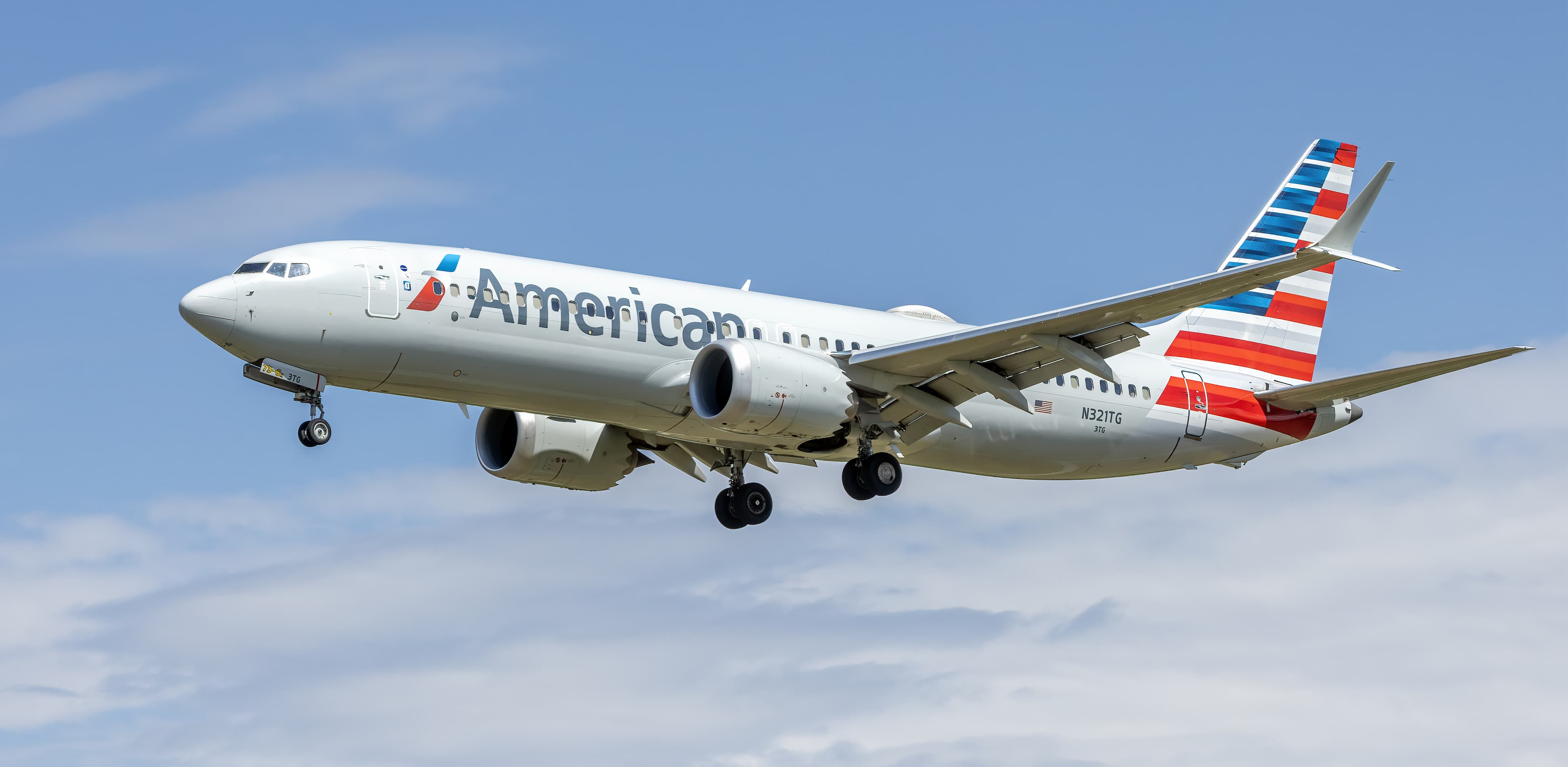
Boeing's 737-7 Finally Gets Approved to Fly, Eight Years Late
U.S. regulators cleared the smallest 737 Max for passenger flights just as airlines like Qantas push ahead with new plane orders, a sign the industry may be turning a corner.
Boeing's smallest new passenger plane just got the green light to fly.
The Federal Aviation Administration (FAA), the U.S. agency that approves
aircraft for use, gave the 737-7 its official approval on August 3. The
process took eight years, far longer than Boeing first expected.
Getting this approval, called a type certificate, means regulators agree
the plane is safe to carry passengers. To earn it, the 737-7 went through
more than 1,000 hours of test flights and ground tests. Engineers also had
to fix a problem with the plane's engine ice-protection system after it
showed up during testing.
The 737-7 seats between 135 and 160 passengers, depending on how an airline
sets it up. It can fly routes of up to about 3,800 nautical miles, which is
roughly 4,370 regular miles. Boeing is marketing the plane to airlines that
fly out of high-altitude or very hot airports, where planes need extra
power to take off safely.
Airlines should start receiving the plane in early 2027. That's about
eight years behind Boeing's original 2019 target. Much of the delay traces
back to intense safety reviews across the whole 737 Max family, which
followed two fatal crashes involving a different version of the plane years
earlier.
Even with the delay, other parts of the airline industry are moving
forward. Qantas, Australia's biggest airline, has firm orders for 12 Airbus
A350s and 12 Boeing 787s, both larger "widebody" jets built for long
international flights. Qantas plans to use them to replace its older A330
planes starting in 2027. The airline is also reportedly in talks for
roughly 20 more widebody jets on top of that order.
Industry watchers say these two stories together point to something
bigger: after years of delays across the plane-making industry, airlines
are still betting big on new aircraft, even as individual programs like the
737-7 keep running into their own holdups.